Capabilities

Strategic advisory services

Five service areas connect macro regional assessment with investment decisions, sector analysis, project execution and institutional cooperation across Central Asia and inland Eurasia.

Service model

From regional intelligence to practical decisions

Hanyu’s service model is designed for enterprises, financial institutions, academic think tanks and strategic cooperation platforms facing information gaps, geopolitical uncertainty or unfamiliar operating conditions in Central Asia. Work is scoped around the client’s actual geography, sector, decision and intended use.

01

Regional depth

Continuous focus on the five Central Asian states and the wider inland Eurasian context.

02

Decision relevance

Research questions are tied to a defined investment, policy, project or cooperation decision.

03

Cross-disciplinary review

Policy, market, industry, legal and risk perspectives are considered together.

04

Tailored delivery

Outputs may be structured as reports, memoranda, briefings, due-diligence support or project research.

01

Regional geopolitical and policy research

The core think-tank practice provides institutions with a structured view of political, diplomatic and policy change across Central Asia. It supports both one-off strategic questions and longer-term regional monitoring.

  • Track political developments, government-policy evolution, diplomatic orientation and major regulatory signals
  • Assess multilateral mechanisms, regional competition, social stability, public sentiment and cross-border issues
  • Prepare tailored research reports, situation memoranda, policy briefs and annual regional outlooks
  • Support strategic seminars, expert briefings, agenda development and continuing trend monitoring
02

Cross-border investment risk and due diligence

Decision support for enterprises and investors evaluating market entry, counterparties and operating conditions. The work brings regulatory, political, commercial and local-context questions into one review framework.

  • Review foreign-investment access, foreign-exchange rules, tax frameworks and priority-sector requirements
  • Identify political, legal, operational, social, reputational and currency-related risk factors
  • Research counterpart context, local governance, competitive conditions and relevant industrial support
  • Develop response options for policy change, regulatory adjustment, public sentiment or other material events
03

Energy, minerals and priority industries

Sector analysis aligned with Central Asia’s resource base, infrastructure requirements and industrial-development priorities. Research can connect policy and market conditions with an institution’s investment or cooperation question.

  • Study oil, gas, non-ferrous minerals, renewable energy and resource-development rules
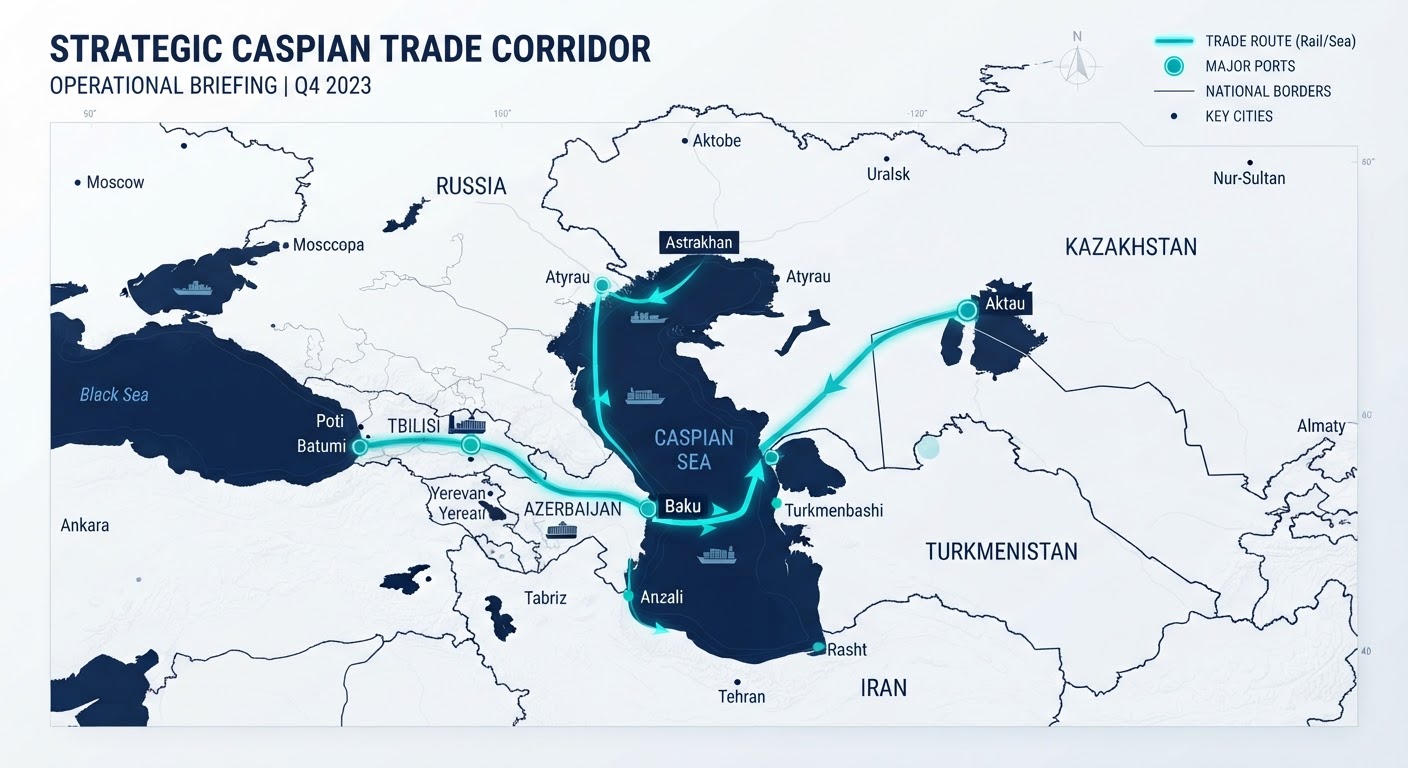
  • Analyse cross-border infrastructure, electricity cooperation, logistics corridors and project models
  • Assess agriculture, cross-border trade and manufacturing feasibility, value-chain positioning and demand
  • Track industrial policy, competitive structure and potential commercial opportunities
04

Cross-border exchange and think-tank support

Research and programme support for dialogue among business, academic and policy institutions in Hong Kong, mainland China and Central Asia, subject to the scope and feasibility of each engagement.

  • Support forums, seminars, delegations, bilateral exchanges and related institutional coordination
  • Develop themes, agendas, background research and briefing materials
  • Coordinate feasible field research and engagement with relevant experts or research institutions
  • Prepare and edit Chinese-English policy materials, research papers and cooperation memoranda
05

Custom thematic research

One-to-one studies designed around a specific institutional question, sector or cross-border programme. The scope, evidence base and deliverable format are agreed for each commission.

  • Bilateral trade, economic coordination and cooperation mechanisms
  • Cross-border logistics corridors, infrastructure connectivity and regional finance
  • Labour, social governance, regulation and the local operating environment
  • Business culture, institutional cooperation and project-specific research topics

From question to delivery

A five-stage engagement process

Commercial terms, confidentiality, timing and review arrangements are confirmed in the applicable engagement documents; the website describes the working sequence without creating a universal contractual promise.

01

Initial discussion and needs alignment

Clarify the question before defining the research.

  • Identify the geography, sector, decision context and intended audience
  • Clarify expected language, deliverable type, timing and approximate scope
  • Assess information requirements, feasibility and likely research inputs
02

Project definition and formal engagement

Translate the agreed need into a governed assignment.

  • Confirm scope, deliverables, work plan, responsibilities and key milestones
  • Agree commercial and confidentiality terms in the relevant engagement documents
  • Establish the project team and communication arrangements
03

Research, evidence review and analysis

Build and test the evidence base required by the assignment.

  • Review official laws, policy documents, industry data and relevant historical material
  • Conduct feasible market, stakeholder or local-context research where included in scope
  • Assess political, legal, commercial, social and currency-risk dimensions
  • Provide agreed progress updates and adapt the research frame when material conditions change
04

Quality review, delivery and acceptance

Turn research findings into a clear and usable output.

  • Review source quality, factual consistency, analytical logic and regional accuracy
  • Submit draft findings for feedback within the agreed review process
  • Deliver the approved report, memorandum, briefing or other agreed materials
  • Complete acceptance and project records according to the contract
05

Follow-through and continuing support

Maintain continuity after the initial deliverable.

  • Respond to agreed follow-up questions relating to the delivered work
  • Provide additional monitoring or policy updates under a separate continuing scope
  • Identify further implementation, coordination or research support where appropriate

Extended formats

Additional project pathways

Some assignments require a different operating format. These pathways are scoped separately and remain subject to feasibility, resources and contract.

01

Time-sensitive assignments

Prioritised research planning, an accelerated schedule and clearly defined expedited deliverables.

02

Field visits and institutional programmes

Research itineraries, background preparation and feasible local coordination for study visits or delegations.

03

Academic and think-tank collaboration

Joint research framing, seminar support, institutional exchange and publication-related coordination.
Map of a Central Asian trade corridor