This story was originally published by Eurasianet. The original report and author attribution are linked above.
Original article text
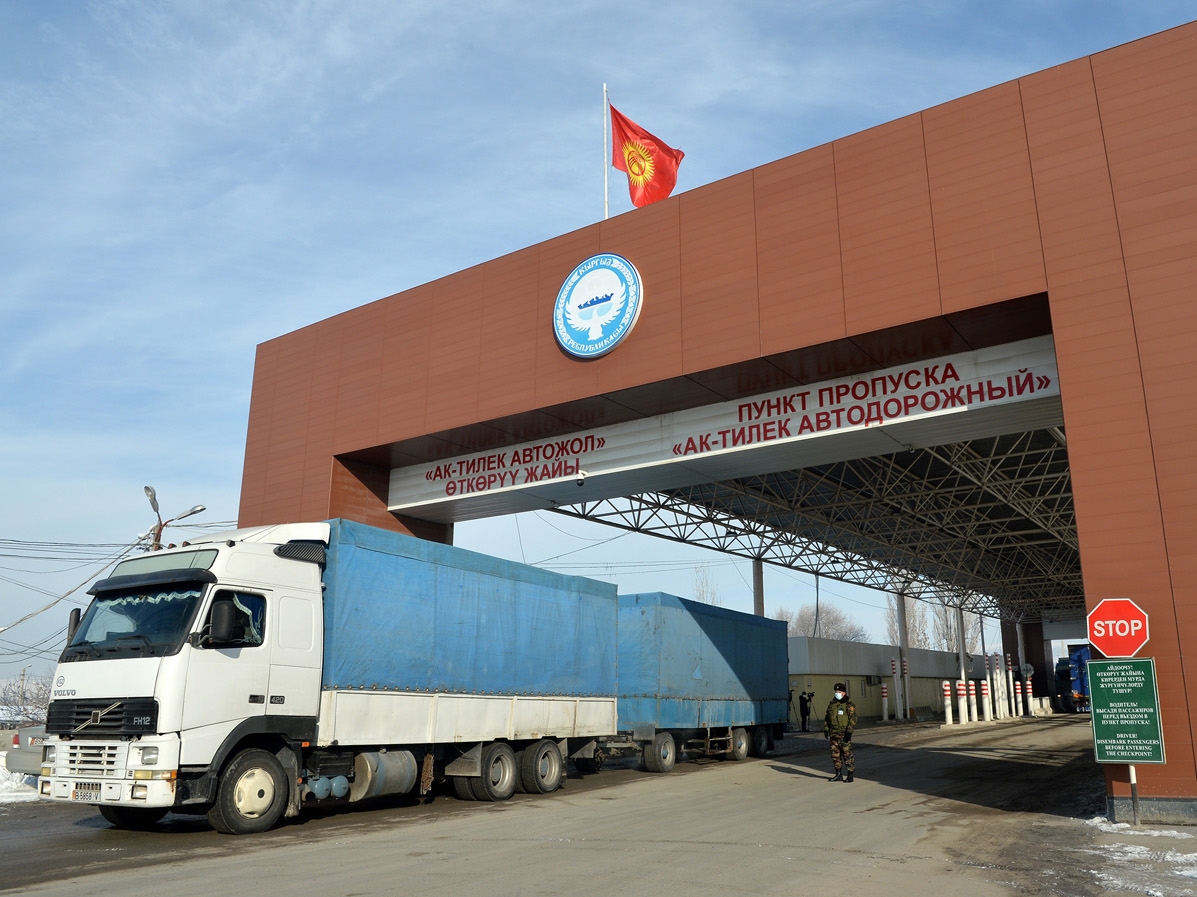
Trade among the five Central Asian states is taking off, but mutual turnover totals are still responsible for only a relatively small share of overall trade, according to data for the first half of 2026 released by regional governments. Kazakhstan’s trade with its four Central Asian neighbors stood at $5.1 billion, or 7 percent of its total foreign trade of about $71.8 billion for H1, according to Kazakh official statistics . Uzbekistan registered the next highest regional turnover figure at just over $4.4 billion, or under 11 percent of its total foreign turnover of $41 billion, as reported by the Uzbek state statistics agency . Kyrgyzstan’s trade with its four regional neighbors exceeded $1.5 billion out of the total foreign turnover of $7.9 billion, good for a 19.5 percent share. The accuracy of Kyrgyzstan’s official statistics has faced scrutiny, however, as some experts believe the officials routinely manipulate data . Tajikistan reported roughly $1.1 billion in trade with its Central Asian neighbors, accounting for about 16 percent of its total turnover of $6.8 billion, based on the data released by the Tajik state customs agency . Turkmenistan so far has not published foreign trade data for 2026. But based on statistics released by other states, Ashgabat’s trade with Central Asian neighbors can be roughly estimated at $917 million for H1, about 8 percent of the nation’s estimated total turnover of $11.7 billion. If accurate, the overall mutual trade turnover for Central Asia during H1 2026 exceeds the total for all of that recorded the previous year. According to data published by the Eurasian Development Bank, mutual trade in 2025 for the five Central Asian states reached $12.3 billion in 2025. That figure was almost double the amount reached in 2020.
A US congressional delegation, led by Rep. Jason Smith, a Missouri Republican who chairs the House Ways and Means Committee, visited Central Asia in late August, striving to help build momentum for trade deals. During a meeting in Kazakhstan with President Kassym-Jomart Tokayev, Smith relayed a message from President Trump, who characterized his personal relationship with the Kazakh leader as “trusting and constructive.” Tokayev said he expected Kazakhstan and the United States to increase contacts on the legislative level between members of the US Congress and the newly elected Kazakh Kurultai . “A constructive and substantive dialogue between members of the US Congress and the Kurultai is important for further deepening mutual understanding, advancing shared priorities and strengthening the Kazakhstan-US partnership,” Tokayev said during the meeting, adding that he looked forward to attending the Trump-hosted G20 summit in Miami in late 2026. The congressional delegation also met in Uzbekistan with President Shavkat Mirziyoyev.
President Ilham Aliyev’s late August trip to Uzbekistan yielded a variety of mining deals concerning the joint development of gold, silver, rare earths and other deposits in Uzbekistan, according to reports published by state-run media in Tashkent. The two countries also are pursuing energy-sector cooperation, including the production of petroleum products and a deal for the Azerbaijani state energy company, SOCAR, to open gas stations in the Central Asian state. While in Tashkent, Aliyev and Uzbek President Shavkat Mirziyoyev signed a bilateral treaty of eternal friendship.
Kazakh authorities have taken a visiting Uzbek professor into custody on charges of espionage, the BBC reports . The arrest of Prof. Ikboljon Qoraboev reportedly occurred in early July but only came to light in late August. Qoraboev was teaching at Narikbayev University in the Kazakh capital Astana at the time he was detained. The BBC report states that the news service sought comment from relevant authorities in both Kazakhstan and Uzbekistan and received no responses. According to other media reports, Qoraboev’s academic research has focused on critical minerals in Central Asia. Relatives who have been allowed to communicate with him complain that he reportedly is not receiving adequate legal counsel.
President Shavkat Mirziyoyev’s administration is taking steps to transform the autonomous region of Karakalpakstan, one of the country’s poorest regions, into a digital hub. Officials have announced the launch of construction of three crypto mining centers and three data centers in the region. The overall cost of the projects is estimated at over $5.1 billion. In addition, investors in digital ventures in the region are set to enjoy a tax holiday until 2040. Karakalpakstan was the scene of a violent crackdown on separatist protesters in 2022.
Islamabad is stepping up diplomatic and economic engagement with Central Asian states, but those efforts aren’t translating into higher trade figures. Pakistan’s trade with Central Asia decreased significantly during the first half of 2026, according to data compiled and published by Central Asian governments. Pakistan’s trade with Kazakhstan shrank by more than three times, Tajikistan by half, Kyrgyzstan by about a quarter. Data for Uzbekistan is unclear – Uzbek stats only list the country’s top 20 trade partners: during H1 in 2025, Pakistan was on that list, and this year it is not, indicating that turnover numbers with Tashkent experienced a significant dip. Pakistani news reports appear to confirm the downward trend. Disruption caused by Pakistan’s ongoing conflict with Taliban-led Afghanistan is widely viewed as a major factor in disrupting trade. Meanwhile, Central Asian data shows that regional commerce with Afghanistan has experienced a significant uptick.
The New Lines Institute for Strategy and Policy has developed an initiative called the Silk Seven-Plus (S7+), a blueprint to enable regional states to realize their economic growth ambitions. It is a multi-phase connectivity plan to strengthen the sovereignty of Central Asian states. The S7+ envisions the establishment of a trade crescent connecting the CaspianBasin to the Arabian Sea, unlocking Greater Central Asia’s full trade potential. The items included in this roundup are relevant to the development of the S7+ concept.
This story was originally published by Eurasianet. The original report and author attribution are linked above.
View original report↗